
Tax Tips & Insight
IRS Letter Explained: What to Do Next
A step-by-step guide to understanding and responding to IRS correspondence
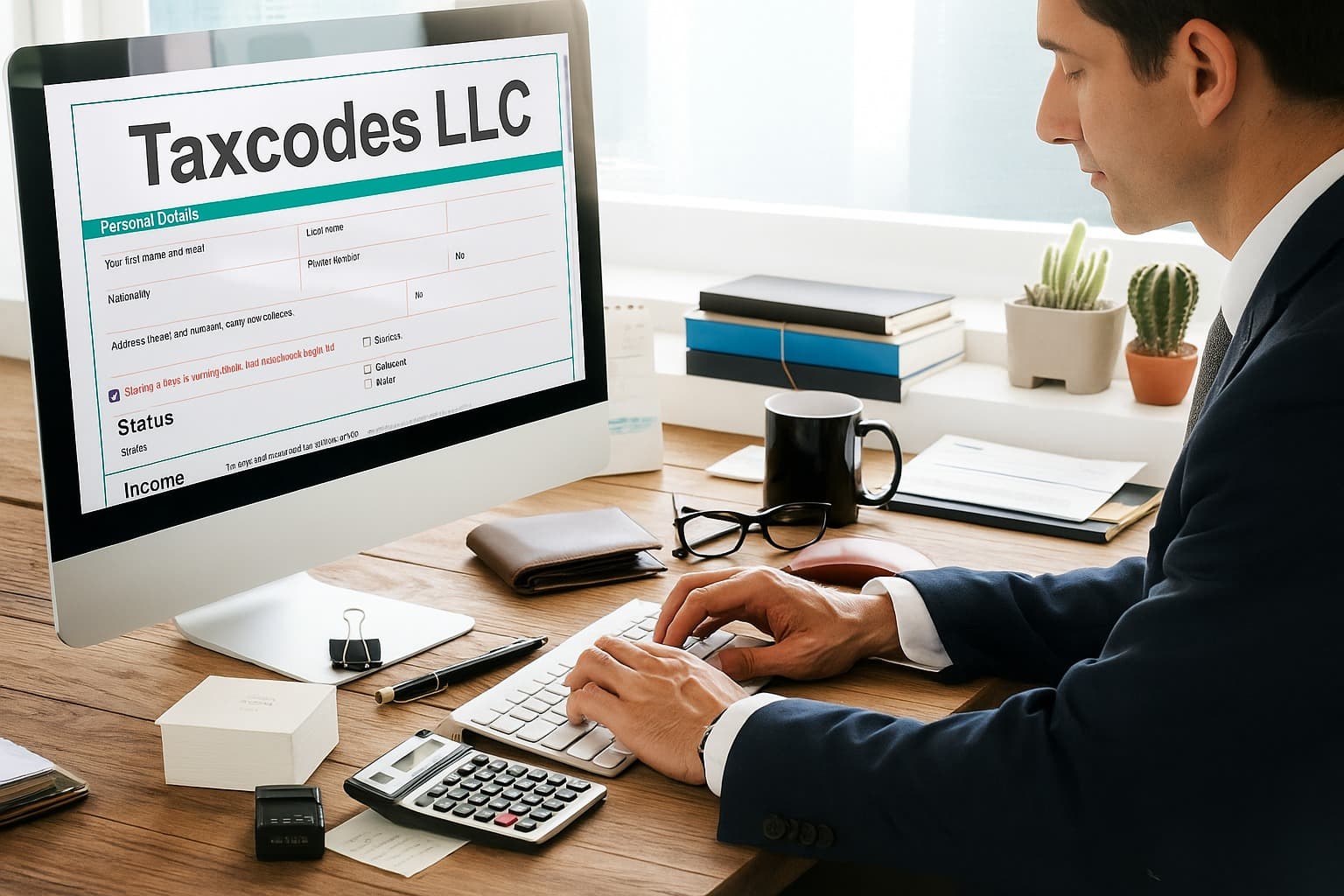
Receiving a letter from the IRS can be stressful, but most notices are routine and easily resolved. Understanding what the letter means and how to respond promptly can save you time, money, and unnecessary anxiety.
Don't Panic - Read Carefully
IRS letters typically address specific issues and provide clear instructions.
Most notices are informational or request additional documentation.
The letter will include a notice number (CP or LTR) that identifies the issue type.
Check the deadline for response - usually 30-60 days from the notice date.
Pro Tip:
Keep all IRS correspondence in a safe place. You may need to reference it later.
Identify the Notice Type
Common IRS notices include:
CP14 - Balance due notice
CP2000 - Proposed changes to your return
CP501 - Reminder of balance due
CP504 - Final notice before levy
LTR 1058 - Final notice of intent to levy
Each notice type requires a different response strategy.
Verify the Information
Compare the IRS letter with your tax return and records.
Check if the amounts match your calculations.
Verify that the tax year and Social Security Number are correct.
If you find errors, gather supporting documentation.
Respond Promptly and Appropriately
If you agree with the notice, follow the payment instructions or sign and return the response form.
If you disagree, write a clear explanation and include supporting documents.
Always respond by the deadline to avoid additional penalties and interest.
Keep copies of everything you send to the IRS.
When to Seek Professional Help
Complex issues or large amounts owed may require professional assistance.
If you're unsure how to respond, a tax professional can help navigate the process.
Taxcodes LLC specializes in IRS correspondence and can help resolve your notice efficiently and effectively.
Popular Posts

Get More Done Together With US
Let our expert tax professionals handle your filing needs. Get personalized guidance, maximize your deductions, and stay compliant with confidence.
Get StartedHERE ARE SOME RELATED ARTICLES YOU MAY FIND INTRESTED

What to do if you cant pay your taxes Right away

Understanding IRS Audit

How to file Amended Return the right way.

5 ways Freelancers can reduce quarterly Taxes
Stay Organized Stay Ahead
Freelancers who plan quarterly payments, track expenses, and consult professionals only avoid penalties but also gain financial clarity. Let Taxcodes LLC handle your filing so you can focus on what you do best growing your business